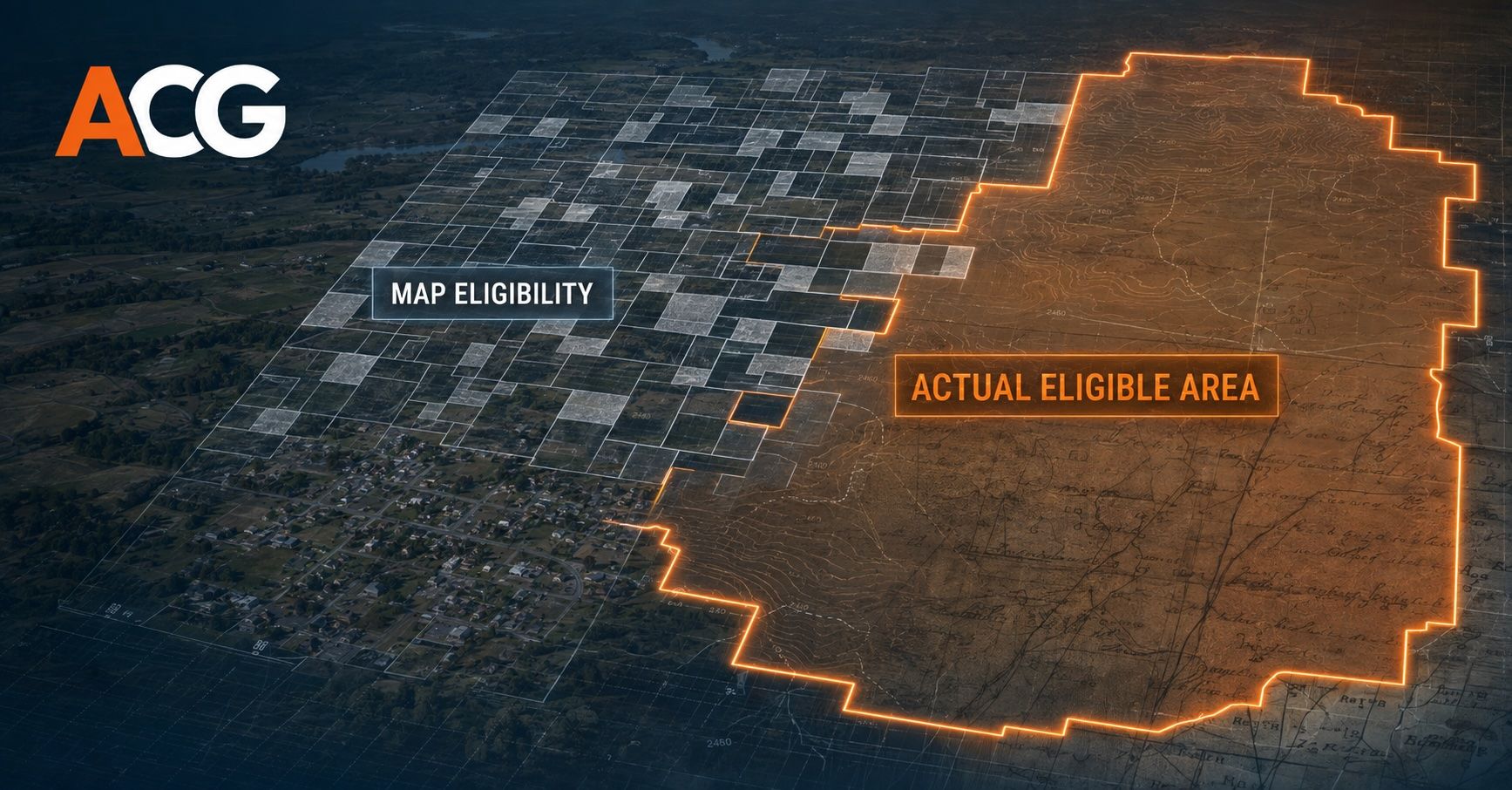
The Calendar Is More Generous Than Your Actual Timeline
November 17 feels far away until you map out everything that has to happen before then.
Tribal Broadband Connectivity Program Round 3 and the Native Entities Grant Program close on that date, a deadline NTIA extended by 60 days from the original September 17 to November 17, 2026, giving applicants more time to align with BEAD funding. And $790 million is on the table. But a strong application isn’t something you put together in the final weeks. Between engineering design, environmental review coordination, budget development and the internal approvals most tribal governments require, the real window is shorter than the calendar suggests.
If your team hasn’t started, or started and stalled, this is where things stand and what to prioritize from here.
Four Things That Take Longer Than You’d Think
Engineering design takes longer than people expect. A network design that will hold up to NTIA review means surveying terrain, accounting for construction realities and pricing the project accurately. This isn’t a step you can compress into a week, especially if you’re also waiting on outside engineering support.
Environmental and historic preservation review can’t be rushed. Many tribal broadband projects require coordination with Tribal Historic Preservation Officers and environmental review processes that run on their own timeline. Starting this conversation late is one of the most common reasons applications miss the window entirely.
Budget development has to follow the design. Applications built around a rough cost estimate instead of an engineered budget tend to fall apart under review, or worse, after the award, when real construction bids come in higher than expected.
Internal approvals take real time too. Tribal council review, resolutions and sign-off processes are often the most unpredictable part of the timeline, simply because they depend on meeting schedules outside anyone’s direct control.
If you’re past mid-September and several of these pieces haven’t started, that’s a signal to move now, not a reason to assume you’re already too late.
What We’ve Seen Work Under Tight Timelines
We’ve helped tribal organizations move from early planning to submission-ready applications under tight timelines before. The projects that make it usually have one thing in common: someone brought in engineering support early enough to catch problems while there was still time to solve them, rather than discovering them in the final stretch. You can see how this played out for one tribal partner in our tribal funding case study.
This is also where our Professional Engineers can move quickly when needed. We understand that tribal broadband timelines don’t always start when they should, and we’ve built our process to work with teams who are starting later than they’d like.
Get a Clear Read on Where You Stand
If you’re working against the November 17 deadline and want a clear-eyed read on where your project stands, let’s talk now while there’s still room to act.